Loading
No picture from a connected video device | Lifestyle® V30 home theater system
lifestyle®-v30-home-theater-system
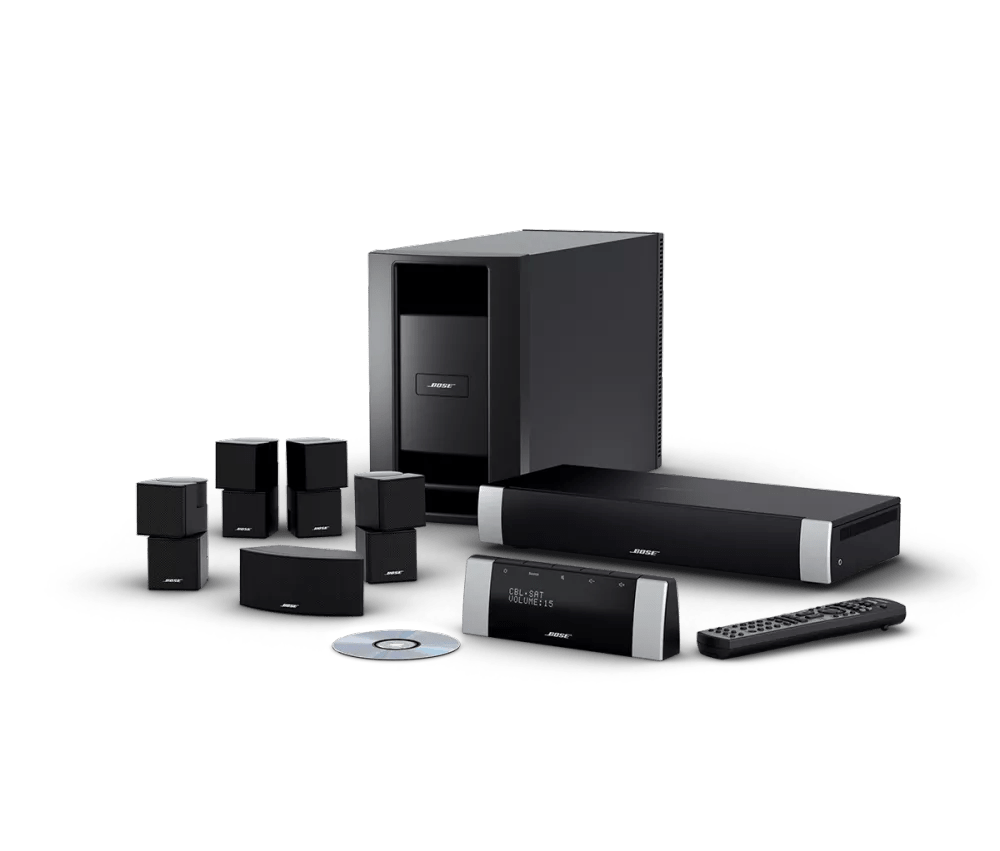
Lifestyle® V30 home entertainment systemSold from 2007 - 2010

No picture from a connected video device | Lifestyle® V30 home theater system

Which device is being used?

Cable box

Try a different channel.

If the issue only occurs with one or certain channels, there could be an issue with those particular broadcasts.

Be sure the cable box is connected properly.

A connection may have come loose or may be incorrect. Check to see that all output connectors on the cable box and input connectors on the Bose system are firmly seated. For information on attaching other audio sources, see Connecting other devices to your system.

When using an RF modulator, be sure the correct TV channel is selected.

Check to see that the TV is set to the proper channel, which is usually channel 3 or 4.

Connect the video output of the source directly to the TV.

If the issue still exists, the problem is with the connected source, the TV or the cable being used.

Replace the video cable used to connect your product.

Try replacing the video cable that connects your product. If no issue occurs with the new cable, there was a problem with the original video cable.

Try connecting a different audio device.

If available, connect another audio device using the same cables and connections to determine if the issue is related to the first device or its settings.

The Bose system scales video upward only.

The video connection between the media console and the TV should be equal to or better than any input connection from the input devices. The following chart shows that the system can convert video from any input connection to the output connections indicated. Use the best connection your TV supports. For example, if the TV has an HDMI input, use that connection. The next best connection is component (set of 3 cables), then S-video. Composite is the most basic cable connection
Supported Conversion Chart
Input Output
CompositetoComposite
CompositetoS-Video
CompositetoComponent
CompositetoHDMI
S-VideotoS-Video
S-VideotoComponent
S-VideotoHDMI
ComponenttoComponent
ComponenttoHDMI
HDMItoHDMI

Be sure the source is connected properly.

Check to see that the connection between the video source and the media console is correct and secure. Also, check to see that the audio input connection matches the video input connection. For example, if you are using the CBL-SAT VIDEO IN connection, the audio should be connected to CBL-SAT AUDIO IN
DVD or Blu-ray player

Be sure the DVD or Blu-ray player is connected properly.

A connection may have come loose or may be incorrect. Check that all output connectors on the DVD or Blu-ray player and all input connectors on the system are firmly seated. For information on attaching other audio sources, see Connecting other devices to your system.

When using an RF modulator, be sure the correct TV channel is selected.

Check to see that the TV is set to the proper channel, which is usually channel 3 or 4.

Connect the video output of the source directly to the TV.

If the issue still exists, the problem is with the connected source, the TV or the cable being used.

Replace the video cable used to connect your product.

Try replacing the video cable that connects your product. If no issue occurs with the new cable, there was a problem with the original video cable.

Try connecting a different audio device.

If available, connect another audio device using the same cables and connections to determine if the issue is related to the first device or its settings.

The Bose system scales video upward only.

The video connection between the media console and the TV should be equal to or better than any input connection from the input devices. The following chart shows that the system can convert video from any input connection to the output connections indicated. Use the best connection your TV supports. For example, if the TV has an HDMI input, use that connection. The next best connection is component (set of 3 cables), then S-video. Composite is the most basic cable connection
Supported Conversion Chart
Input Output
CompositetoComposite
CompositetoS-Video
CompositetoComponent
CompositetoHDMI
S-VideotoS-Video
S-VideotoComponent
S-VideotoHDMI
ComponenttoComponent
ComponenttoHDMI
HDMItoHDMI

Be sure the source is connected properly.

Check to see that the connection between the video source and the media console is correct and secure. Also, check to see that the audio input connection matches the video input connection. For example, if you are using the CBL-SAT VIDEO IN connection, the audio should be connected to CBL-SAT AUDIO IN
DVR

Be sure the DVR is connected properly.

A connection may have come loose or may be incorrect. Check to see that all output connectors at the DVR and all input connectors on the Bose system are firmly seated. For information on attaching other audio sources, see Connecting other devices to your system.

When using an RF modulator, be sure the correct TV channel is selected.

Check to see that the TV is set to the proper channel, which is usually channel 3 or 4.

Connect the video output of the source directly to the TV.

If the issue still exists, the problem is with the connected source, the TV or the cable being used.

Replace the video cable used to connect your product.

Try replacing the video cable that connects your product. If no issue occurs with the new cable, there was a problem with the original video cable.

Try connecting a different audio device.

If available, connect another audio device using the same cables and connections to determine if the issue is related to the first device or its settings.
Game console

Check the video resolution setting of the connected device.

Many Blu-ray players, game consoles and other video devices require certain menu setting adjustments to output video at a higher resolution. Refer to the owner's guide of the connected device for more information.

Be sure the game console is connected properly.

A connection may have come loose or may be incorrect. Check to see that all output connectors on the game console and all input connectors on the system are firmly seated. For information on attaching other audio sources, see Connecting other devices to your system.

When using an RF modulator, be sure the correct TV channel is selected.

Check to see that the TV is set to the proper channel, which is usually channel 3 or 4.

Connect the video output of the source directly to the TV.

If the issue still exists, the problem is with the connected source, the TV or the cable being used.

Replace the video cable used to connect your product.

Try replacing the video cable that connects your product. If no issue occurs with the new cable, there was a problem with the original video cable.

Try connecting a different audio device.

If available, connect another audio device using the same cables and connections to determine if the issue is related to the first device or its settings.

The Bose system scales video upward only.

The video connection between the media console and the TV should be equal to or better than any input connection from the input devices. The following chart shows that the system can convert video from any input connection to the output connections indicated. Use the best connection your TV supports. For example, if the TV has an HDMI input, use that connection. The next best connection is component (set of 3 cables), then S-video. Composite is the most basic cable connection
Supported Conversion Chart
Input Output
CompositetoComposite
CompositetoS-Video
CompositetoComponent
CompositetoHDMI
S-VideotoS-Video
S-VideotoComponent
S-VideotoHDMI
ComponenttoComponent
ComponenttoHDMI
HDMItoHDMI

Be sure the source is connected properly.

Check to see that the connection between the video source and the media console is correct and secure. Also, check to see that the audio input connection matches the video input connection. For example, if you are using the CBL-SAT VIDEO IN connection, the audio should be connected to CBL-SAT AUDIO IN

For devices that only have an S-video or yellow composite video connection, plug in to the VCR input on your system.

The VCR input on the back of your system console has added processing for detecting and displaying older-format video connections. If the device has a composite video output (typically a single yellow plug) or an S-video output (typically a 4-pin plug), connection a cable from that output to the corresponding input in the VCR section on your console.
Satellite box

Try a different channel.

If the issue only occurs with one or certain channels, there could be an issue with those particular broadcasts.

Be sure the satellite box is connected properly.

A connection may have come loose or may be incorrect. Check to see that all output connectors on the satellite box and input connectors on the Bose system are firmly seated. For information on attaching other audio sources, see Connecting other devices to your system.

When using an RF modulator, be sure the correct TV channel is selected.

Check to see that the TV is set to the proper channel, which is usually channel 3 or 4.

Connect the video output of the source directly to the TV.

If the issue still exists, the problem is with the connected source, the TV or the cable being used.

Replace the video cable used to connect your product.

Try replacing the video cable that connects your product. If no issue occurs with the new cable, there was a problem with the original video cable.

Try connecting a different audio device.

If available, connect another audio device using the same cables and connections to determine if the issue is related to the first device or its settings.

The Bose system scales video upward only.

The video connection between the media console and the TV should be equal to or better than any input connection from the input devices. The following chart shows that the system can convert video from any input connection to the output connections indicated. Use the best connection your TV supports. For example, if the TV has an HDMI input, use that connection. The next best connection is component (set of 3 cables), then S-video. Composite is the most basic cable connection
Supported Conversion Chart
Input Output
CompositetoComposite
CompositetoS-Video
CompositetoComponent
CompositetoHDMI
S-VideotoS-Video
S-VideotoComponent
S-VideotoHDMI
ComponenttoComponent
ComponenttoHDMI
HDMItoHDMI

Be sure the source is connected properly.

Check to see that the connection between the video source and the media console is correct and secure. Also, check to see that the audio input connection matches the video input connection. For example, if you are using the CBL-SAT VIDEO IN connection, the audio should be connected to CBL-SAT AUDIO IN
VCR or DVD recorder

Be sure the VCR or DVD recorder is connected properly.

A connection may have come loose or may be incorrect. Check to see that all output connectors on the VCR or DVD recorder and all input connectors on the Bose system are firmly seated. For information on attaching other audio sources, see Connecting other devices to your system

When using an RF modulator, be sure the correct TV channel is selected.

Check to see that the TV is set to the proper channel, which is usually channel 3 or 4.

Connect the video output of the source directly to the TV.

If the issue still exists, the problem is with the connected source, the TV or the cable being used.

Replace the video cable used to connect your product.

Try replacing the video cable that connects your product. If no issue occurs with the new cable, there was a problem with the original video cable.

Try connecting a different audio device.

If available, connect another audio device using the same cables and connections to determine if the issue is related to the first device or its settings.

The Bose system scales video upward only.

The video connection between the media console and the TV should be equal to or better than any input connection from the input devices. The following chart shows that the system can convert video from any input connection to the output connections indicated. Use the best connection your TV supports. For example, if the TV has an HDMI input, use that connection. The next best connection is component (set of 3 cables), then S-video. Composite is the most basic cable connection
Supported Conversion Chart
Input Output
CompositetoComposite
CompositetoS-Video
CompositetoComponent
CompositetoHDMI
S-VideotoS-Video
S-VideotoComponent
S-VideotoHDMI
ComponenttoComponent
ComponenttoHDMI
HDMItoHDMI

Check the connections of the VCR or DVD recorder.

Cable or satellite receivers can be used with a VCR and/or DVD recorder. Be sure the video connections between them are correct and secure

Be sure the source is connected properly.

Check to see that the connection between the video source and the media console is correct and secure. Also, check to see that the audio input connection matches the video input connection. For example, if you are using the CBL-SAT VIDEO IN connection, the audio should be connected to CBL-SAT AUDIO IN

For devices that only have an S-video or yellow composite video connection, plug in to the VCR input on your system.

The VCR input on the back of your system console has added processing for detecting and displaying older-format video connections. If the device has a composite video output (typically a single yellow plug) or an S-video output (typically a 4-pin plug), connection a cable from that output to the corresponding input in the VCR section on your console.
Other connected video device

When using an RF modulator, be sure the correct TV channel is selected.

Check to see that the TV is set to the proper channel, which is usually channel 3 or 4.

Connect the video output of the source directly to the TV.

If the issue still exists, the problem is with the connected source, the TV or the cable being used.

Replace the video cable used to connect your product.

Try replacing the video cable that connects your product. If no issue occurs with the new cable, there was a problem with the original video cable.

Try connecting a different audio device.

If available, connect another audio device using the same cables and connections to determine if the issue is related to the first device or its settings.

The Bose system scales video upward only.

The video connection between the media console and the TV should be equal to or better than any input connection from the input devices. The following chart shows that the system can convert video from any input connection to the output connections indicated. Use the best connection your TV supports. For example, if the TV has an HDMI input, use that connection. The next best connection is component (set of 3 cables), then S-video. Composite is the most basic cable connection
Supported Conversion Chart
Input Output
CompositetoComposite
CompositetoS-Video
CompositetoComponent
CompositetoHDMI
S-VideotoS-Video
S-VideotoComponent
S-VideotoHDMI
ComponenttoComponent
ComponenttoHDMI
HDMItoHDMI

Be sure the source is connected properly.

Check to see that the connection between the video source and the media console is correct and secure. Also, check to see that the audio input connection matches the video input connection. For example, if you are using the CBL-SAT VIDEO IN connection, the audio should be connected to CBL-SAT AUDIO IN

For devices that only have an S-video or yellow composite video connection, plug in to the VCR input on your system.

The VCR input on the back of your system console has added processing for detecting and displaying older-format video connections. If the device has a composite video output (typically a single yellow plug) or an S-video output (typically a 4-pin plug), connection a cable from that output to the corresponding input in the VCR section on your console.

Confirm the TV is on and the proper input is selected.

Some TVs have a feature where input selections can be turned off or hidden from the on-screen menu. For help changing TV inputs and enabling TV inputs, refer to the TV owner's guide.

Reset the connected audio or video device.

Electronics may need to be reset from time to time—much like rebooting a computer. Disconnect power from the device for 30 seconds, then wait for it to start up.

Check if the system menu can be seen on the TV.

On the remote, press the System button. If the system menu does not appear on the TV, see System menu does not appear on TV screen.

Check that that the correct audio input source is selected.

If multiple audio sources are available or connected, be sure the correct source is selected. For example, if the audio device you want to hear is connected to the an input labelled AUX, be sure that AUX input selected.

Verify that the remote device type is not set to Music Player.

If the remote device type is set to Music Player in the remote setup screen, the video pass through for the input designated as Music Player is disabled. For more information on setting remote device type, see Programming your remote

Appears in:01.01.01, 01.01.02
Resolved as of: 01.02.00
TW0250

New "Music Player" Device Type Functionality: In software versions 01.02.00 and later, new logic was added for certain "Music Player" devices (Apple TV, Ipod Docks, etc... ). This ensures video is passed to the TV even though the control code is still located in the "Music Player" device type.

Determine if the TV is a Samsung HDTV.

If the TV being used is a Samsung HDTV, be sure the console software is up to date.

For instructions on checking software, see Checking the software or firmware version
For current software versions, see Software and firmware versions.

Reset the HDMI connection by resetting both devices and the cables connected between them.

  1. Turn off the Bose system, the source device and the TV.
  2. Unplug the Bose system, the source device and the TV.
  3. Disconnect two HDMI cables at both ends and reseat them ensuring secure connections.
  4. Reconnect the source device, the TV and the Bose system to power.
  5. Turn on the TV and the source device.
  6. Once the TV and source device have finished powering up, turn on the Bose system.
The steps can resolve issues due to a variety of causes. The TV and sources device may haves stored misinformation received through the HDMI cable. This reset procedure will clear their memory of this data.

In the menu of the connected device, try disabling HDMI-CEC.

CEC (Consumer Electronics Control) allows devices to send control information (e.g. power, input switching, remote control, etc.) back and forth over HDMI. CEC implementation and capabilities can vary among different brands, which can cause various control issues. Try disabling CEC in the menu of the connected device, then try again. Depending on the brand, CEC may be labelled differently in the device menu. For more info, see Names used by different brands for CEC.

Was this article helpful?

YES
NO
START A REPAIR OR REPLACEMENT
Loading
No picture from a connected video device | Lifestyle® V30 home theater system